
"coffee fruit collection"
4000 article(s) found

Arabica Coffee Fine Coffee beans Grinding degree, Flavor, Flavor, Flavor description
Arabica (Arabica) and? Robusta is two different coffee varieties, which currently account for the vast majority of coffee bean production in the world. Arabica seed? Coffee and? Robusta? There are three main differences in coffee: 1. Differences in planting conditions. 2. The flavor and characteristics are different. 3. The difference between market price and use. Planting condition difference Arabica? Coffee

Balinese coffee delicious Balinese coffee flavor
There are dense coffee trees growing on the Indonesian island of Sumatra. For hundreds of years, the residents of the island have made a living by collecting coffee beans. But in recent years, whenever the coffee is about to ripen, the troubles of the islanders also come. This is because a kind of animal called palm cat began to live and breed on the island. Palm cats like to eat coffee fruits, and they are better at it than humans

Introduction to the Flavor description treatment of Yunnan Tieka Coffee Bean
Yunnan coffee beans introduce that the quality of coffee depends on the environment, climate, cultivation and management techniques and other factors. Its excellent growth environment is low latitude, high altitude, sufficient rainfall and suitable sunshine, so the north latitude is 15. The ideal growing area for coffee is between the Tropic of Cancer and the Tropic of Cancer. Our planting base in Yunnan is located at 23 ℃ north latitude and 99 ℃ east longitude. The base is 1230 meters above sea level and high.

Kopi Luwak comes from the feces of civets, like shit, coffee comes from elephant droppings.
Professional coffee knowledge exchange more coffee bean information please follow the coffee workshop (Wechat official account cafe_style). Kopi Luwak is not an ordinary cat, ah, but a civet cat. It is disgusting. Civet cats are found in Indonesia and several islands, and there are more in Java. It is said that they cannot be kept in captivity, so they can only move in a large area and then regularly point to collect poop (

A complete collection of coffee bean grading knowledge points of Kenya coffee in Kenya
Kenyan coffee knowledge: dry aroma with citrus and berry aromas; sipping the entrance black plum, acidity is soft and charming, sweet blend with honey, with a little acidity of blackcurrant and grape aromas in the mouth, but without losing its round flavor, dry and balanced, delicate finish. The variety classification of Kenya was cultivated and named by the Scott Laboratories laboratory in 1930.

2017 A collection of common sense of drinking coffee
Following Cafe Review (official Wechat account vdailycom) found that Beautiful Cafe opened a small shop of its own. Pay attention to the drinking temperature: drink while it is hot, 91 to 96 degrees is the best to give out the original flavor, 85 to 88 degrees is the best. Second, before drinking, drink a sip of cold water to clean the mouth. Before drinking, take a sip of ice water, which can help the coffee to emerge with a distinct taste.

Characteristics and Flavor description of Coffee beans in Manor Coffee in Panama
Flavor description of Panamanian Manor Coffee beans Dattera Sweet Collection: this super-sweet formula bean, including the four heavenly kings of Datra, namely, wampee bourbon, wampee Kaduai, New World and Ikatu 3282, are mixed according to a certain proportion. The founder, Luis Norberto Passcoal, of Italian origin,
Panamanian champion coffee bean picking time processing method Catova Coffee Family Story
A century-old monument treatment site surrounded by mountains. Katowa is the meaning of the local language mountains. Katowa in Ricardo has a total of four manor groups, mainly growing Katula and Tippika varieties. The complex and multi-level flavor can be obtained by planting these two varieties in the high altitude area of more than 1 600 meters in this area. Katowa is famous for its two great estates, one as Katova. Tang he (Kotowa Don K)

Taste of Bali Coffee Flavor Manor area introduces Bali boutique coffee beans
The coffee comes from the excrement of an animal called the civet (commonly known as the civet in Indonesia). Although it comes from smelly poop, it is full of sweetness and a burst of indescribable sweetness. This wild musk cat likes to eat fat, pulpy coffee fruit, but the hard hard nut (raw bean) cannot be digested. It is excreted with feces and becomes Kop after cleaning.

Arabica Coffee Bean Classification
Pay close attention to the coffee review (Weixin Official Accounts vdailycom ) and find that the beautiful coffee shop opens its own small shop Arabica beans are an important kind of commercial coffee. The result period is within three years, with high-quality aroma and sour taste. Arabica coffee beans are mainly produced in South America (except parts of Argentina and Brazil), Central America, Africa (Kenya, Ethiopia, etc.), mainly in the East
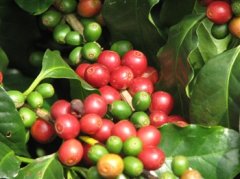
Initial processing requirements of Yunnan Coffee (Arabica species)
Technical requirements for the initial processing of small seed (Arabica seed) Coffee 1. There are two processing methods for coffee beans made from fresh coffee fruits, namely wet processing and dry processing. The first and second grade fruits are processed by wet method, and the third grade fruits are processed by dry method in areas without peeling machine and lack of water. 2. Processing technology 2.1 equipment and facilities should be equipped with fresh fruit collection pool and siphon

Introduction to the Fine Musk Coffee Flavor and Taste Manor in Indonesia
It is said that coffee farmers in early Indonesia regarded civet cats that ate ripe coffee fruits as mortal enemies, but at some point someone began to think of picking coffee beans from the civet droppings to make coffee with unique flavor. Coffee experts everywhere have tried and were amazed. Since then, local farmers spend a lot of time every day collecting civet droppings in the forest during the coffee ripening season.

The main processing methods of coffee beans are washing treatment. The coffee washed is clean.
Professional coffee knowledge exchange more coffee bean information please follow the coffee workshop (Wechat official account cafe_style) Front Street-Coffee processing methods Water washing treatment (Washed) peeling and fermentation, after at least three times of screening, little residual pectin, shortest drying time, clean flavor, high acidity, low chance of defects. Processing method: after picking ripe fruit of coffee

An introduction to the description of the flavor and taste of coffee producing areas in the altitude highlands of Honduras
According to the flavor and taste of coffee producing areas in the highlands of Honduras, there are 280000 hectares of coffee gardens in Honduras, mainly small coffee merchants, most of which are less than 3.5ha, which account for 60% of Hongguo's production. In the coffee garden, people collect coffee beans by hand, then handle them carefully and process them to meet the needs of the market.
The method of primary processing of small coffee beans
Technical requirements for the initial processing of small seed (Arabica seed) Coffee 1. There are two processing methods for coffee beans made from fresh coffee fruits, namely wet processing and dry processing. The first and second grade fruits are processed by wet method, and the third grade fruits are processed by dry method in areas without peeling machine and lack of water. 2. Processing technology 2.1 equipment and facilities should be equipped with fresh fruit collection pool and rainbow

Introduction to the Flavor and taste of Arabica Coffee in China
Arabica coffee accounts for 70% of all coffee production, and Arabica coffee accounts for 70% of all coffee products. its excellent flavor and aroma make it a direct drinkable coffee with only 8 Arabica beans (8). But its resistance to dryness, frost, diseases and insect pests is too low, especially the natural enemy of coffee-leaf rust, so all producing countries are in
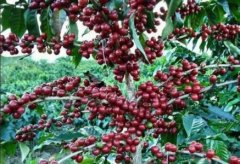
History, cultivation, characteristics and varieties of Arabica
Arabica is deeply loved by Chinese people with a short history of coffee contact because of its strong fruity aroma. it was introduced to China by missionaries in the 19th century and was widely planted in Panzhihua, Sichuan, and the dry-hot valley of the Jinsha River in western Yunnan, where the sunshine was long and there was a big temperature difference between day and night. The local people solved the problem of insufficient seasonal rainfall by diverting water up the mountain.

Flavor characteristics of Ugandan Coffee baked by SL14 in Kawahibi, Uganda
Professional coffee knowledge exchange more coffee bean information please follow Coffee Workshop (Wechat official account cafe_style) Uganda Kawa Cooperative Hibikabewa SL14 Solar Uganda Kawacom Sipi Kabeywa SL14 natural production countries: Uganda Uganda production area: Aigang Mountain Mount Elgon;Kapchorwa Province; East Uganda Eastern Uganda

Uganda TOH Champion Kawacom/ Kabeywakawa Cooperative / Kabewa Information Story
For more information on coffee beans, please follow the Coffee Workshop (Wechat official account cafe_style) Uganda Coffee Competition TOH champion Kawahibi / Cabewa every year major coffee producing countries in Africa hold a national raw bean competition called the Harvest season Flavor Competition (The Taste of Harvest; TOH), similar to the extraordinary Cup in Central and South America (Cu).
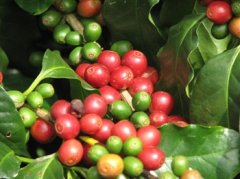
Technical requirements for primary processing of coffee in Yunnan (Arabica species)
Technical requirements for the initial processing of small seed (Arabica seed) Coffee 1. There are two processing methods for coffee beans made from fresh coffee fruits, namely wet processing and dry processing. The first and second grade fruits are processed by wet method, and the third grade fruits are processed by dry method in areas without peeling machine and lack of water. 2. Processing technology 2.1 equipment and facilities should be equipped with fresh fruit collection pool and siphon